
Personal care, at home & at the bedsideLet's talk: 012 650 1805
mcsPRIVATE NURSING
& CAREGIVER SERVICES
FAMILIAR ROUTINES

Dementia Care at Home Malaysia

Patient support. At your loved one’s pace.

Dementia can change the help a person needs with daily life. Discuss familiar routines and the level of supervision needed with the treating team.

A caregiver sharing a photo album with an older couple
PRACTICAL DETAILS FOR YOUR NEXT STEP

Understand your care options.

Helpful details, clear questions and the information to prepare before making an arrangement.

01

Familiar routines and a personal briefing

A dementia care enquiry is more useful when it describes the person’s actual routine than when it gives only a diagnosis. Include preferred activities, reassuring approaches, language and the times assistance is needed. These details help define personal support around the individual.
02

Supervision and night coverage

Record when supervision is needed, including any family concerns about leaving home, disrupted sleep or difficulties recognising risk. A daytime package only covers its agreed shift. Night support and gaps need their own plan; one resident caregiver should not be assumed to provide uninterrupted awake supervision.

03

Different needs require a different scope

Changes in mobility, swallowing, medication requirements or behaviour can change the support needed. Keep the treating team’s instructions available for the care briefing and separate personal assistance from clinical procedures. Package selection does not replace an individual assessment of those needs.

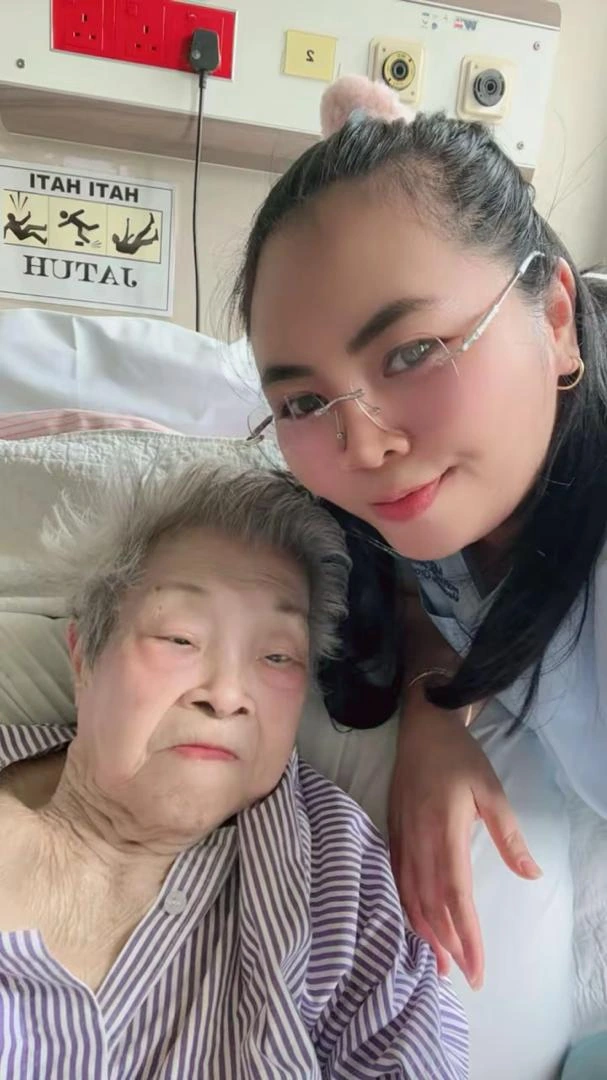
MCS staff member keeping an older person company
Start with a conversation about your family’s needs.
04

A familiar setting and useful daily cues

People experience dementia differently. NHS guidance describes daily living aids such as clearly displayed clocks, reminder tools and easy-to-use devices. Discuss which aids suit the person and their existing routine. Introduce changes thoughtfully, with advice from the treating team when needed, instead of assuming a standard setup works for everyone.

  • Describe the existing routine
  • Discuss helpful memory cues
  • Choose suitable aids individually
05

Communication that respects the person

NHS dementia care guidance encourages people to remain involved in everyday activities and emphasises dignity during personal care. Tell the caregiver how your relative usually communicates, what reassures them and how they prefer assistance. Record those preferences in the briefing and update them when the family learns something helpful.

  • Explain preferred communication
  • Share reassuring routines
  • Respect privacy during personal care
06

Planning supervision and family breaks

Explain any wandering concerns, changes in sleep or times when relatives cannot be present. Ask the treating team about changing needs and discuss whether the proposed schedule provides the required supervision. Family members should also plan breaks and backup help rather than relying on one person to cover every hour.

  • Describe supervision needs
  • Plan family rest and backup
  • Review the schedule as needs change

Helpful answers.

Is dementia support the same for everyone?

No. Describe the person’s current daily needs, communication preferences, supervision requirements and any clinician advice before deciding on hours.

Can you guarantee a particular caregiver?

Matching depends on suitable staff availability. Discuss experience and communication needs with MCS before placement.

Care that fits your family.

Discuss your care needs ↗

Further reading

General care planning information. Overseas funding and legal arrangements do not describe Malaysian services. Individual clinical instructions take priority.