
Personal care, at home & at the bedsideLet's talk: 012 650 1805
mcsPRIVATE NURSING
& CAREGIVER SERVICES
HIGHER SUPPORT NEEDS

Bedridden Care at Home Malaysia

Careful planning. Comfort with dignity.

A person who spends most of their time in bed may need substantial help. Explain the care tasks and equipment so a suitable arrangement can be assessed.

Bedside companionship in a calm care setting
PRACTICAL DETAILS FOR YOUR NEXT STEP

Understand your care options.

Helpful details, clear questions and the information to prepare before making an arrangement.

01

Describe the actual assistance required

A bedridden-care enquiry should describe washing, toileting, meals, repositioning or transfers and what equipment is already used. Include whether professional instructions or more than one person are needed for particular tasks. The description defines the requested support more accurately than the label bedridden alone.
02

Separate personal and clinical support

Personal assistance and companionship are different from nursing procedures. Include wound, tube, catheter or other clinical requirements in the enquiry so the proposed worker type can match the role. Royal Elite is listed as a qualified nurse package, but the individual scope and staffing arrangement still matter.

03

Coverage across the day

List the periods needing help and who covers the remaining time. A resident caregiver needs rest and off days; a stay-out worker attends only the agreed shift. Higher support needs may require additional staffing or equipment, which should be addressed in the individual arrangement.

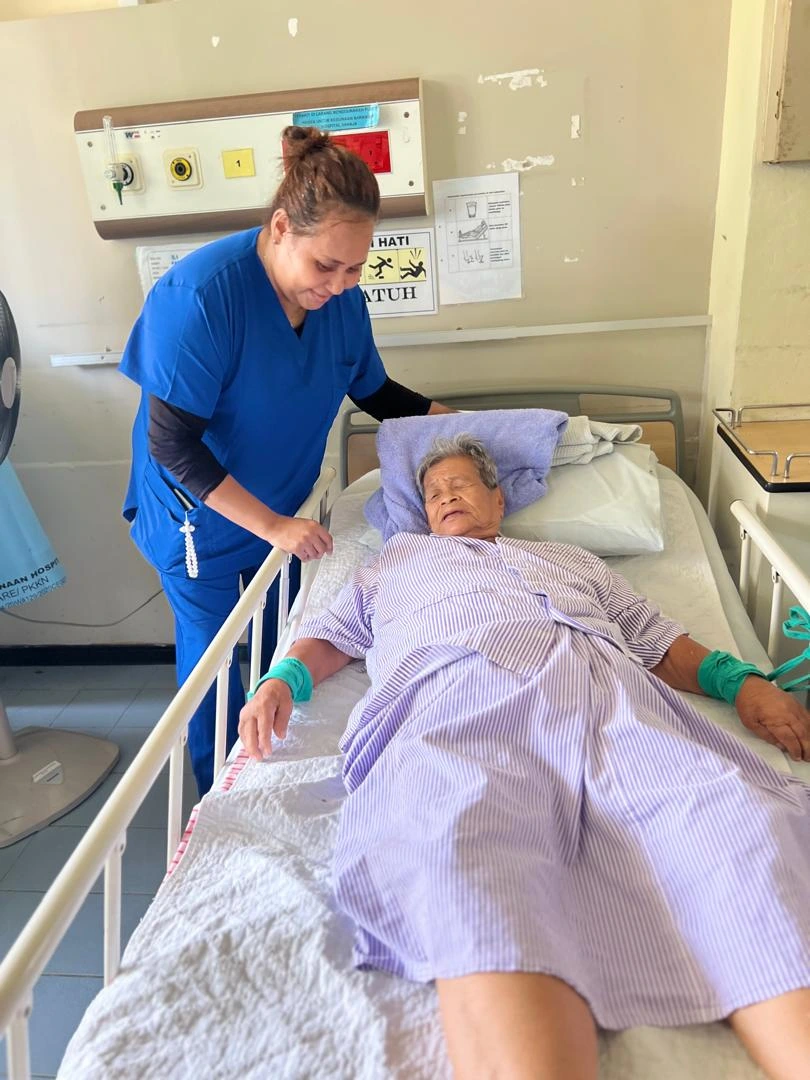
MCS staff member assisting an older person at the bedside
Start with a conversation about your family’s needs.
04

Pressure-area concerns need an individual plan

Limited movement can increase the chance of pressure ulcers. NHS guidance recommends asking a clinician for a risk assessment and a prevention plan where needed. Explain any skin concerns to the treating team; repositioning, mattresses and wound care should follow appropriate individual advice rather than a generic package promise.

  • Request an individual assessment
  • Discuss suitable positioning support
  • Confirm any nursing requirements
05

Preparing the room for agreed care tasks

Discuss the bed setup, access around the bed and which supplies must be available before the first shift. The family should ask an appropriate professional about handling equipment and whether more than one worker is needed. Do not assume one caregiver can safely complete every transfer on their own.

  • Explain the current room setup
  • Discuss transfer requirements
  • Confirm equipment and staffing
06

Comfort, personal preferences and family updates

Include the person’s communication preferences and daily routine in the family briefing. Agree which personal tasks are included and how the family will receive updates. If feeding, catheter care or wound care is required, identify the prescribed task and request appropriately qualified support before finalising the arrangement.

  • Share comfort preferences
  • Agree personal assistance duties
  • Separate clinical tasks clearly

Helpful answers.

What details should I share?

Describe personal care needs, mobility, transfers, existing equipment and whether there are any clinical procedures. A brief initial enquiry is enough to begin.

Will one person be enough?

This depends on the tasks and supervision required. Safe transfers or continuous active coverage may require more than one worker.

Care that fits your family.

Discuss your care needs ↗

Further reading

General care planning information. Overseas funding and legal arrangements do not describe Malaysian services. Individual clinical instructions take priority.